Current Research
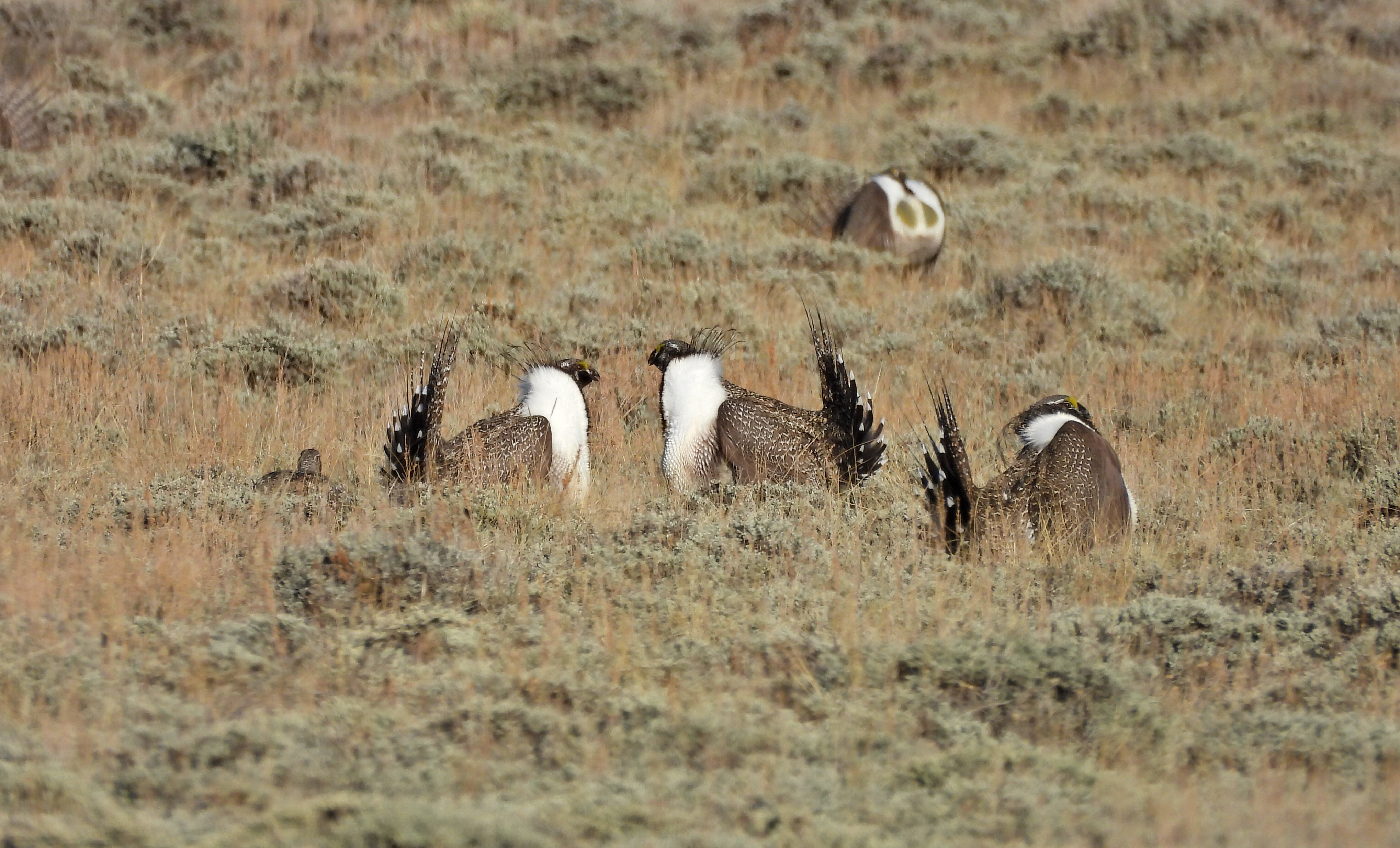
The sagebrush steppe—one of the most beautiful and expansive wildlands remaining in the United States—is disappearing at an unprecedented rate, threatening the livelihoods of wildlife and people who rely on these lands. Much of this habitat loss is driven by cheatgrass (Bromus tectorum) invasions that fuel high-intensity, high-frequency fire regimes, converting native shrublands to non-native annual grasslands. Through my research, I hope to help land managers throughout the Intermountain West restore our shrub-steppes and maintain invasion-resistant ecological communities.
My work focuses on the eco-evolutionary dynamics controlling biological invasions and local adaptation in the Great Basin. Accounting for factors such as plant traits, population origins, and plant-plant interactions, I aim to predict seed mixes that optimize restoration outcomes in different environments and to test those predictions through experiments in post-fire settings.
Past Research
As an undergraduate, I led research on the detection and characterization of exoplanets, sub-stellar objects, and circumstellar debris disks. This work plays an important role in understanding how planetary systems—including our own—form and evolve. For a list of my publications in this field, check out either my Google Scholar page or my CV. I’ve been lucky enough to have some of this research featured in the media, including a search for planets around the bright, nearby star Vega (see the press release here) and an analysis of the HD53143 debris disk (press release linked here).